Law of Opposites — Music
The law of opposites is easiest examined through the changing music genres by decade. Each cycle has an underlying theme, which is typically the opposite of the previous cycle. And even within each decade, each mega artist is the opposite of the other mega artist. Example: Michael Jackson vs Prince. Both dominated the 80s, but one is a dancer, the other is an instrumentalist.
Music by Decade
1940s vs 1950s
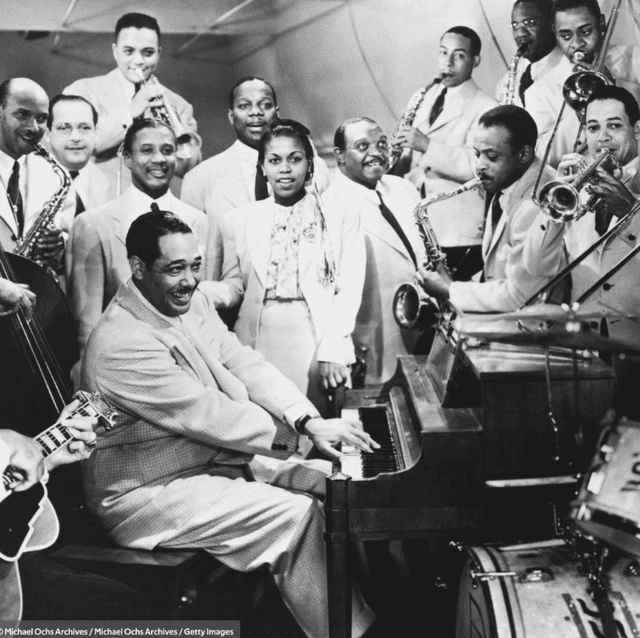
Orchestral and formal
Complex arrangements
Band as the star
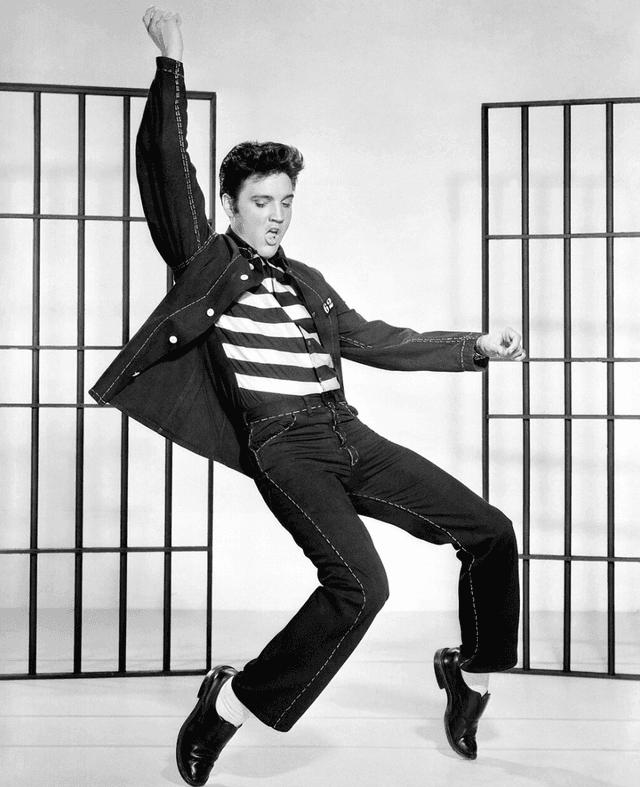
Raw and emotional
Simple blues structure
Solo charisma
1960s vs 1970s
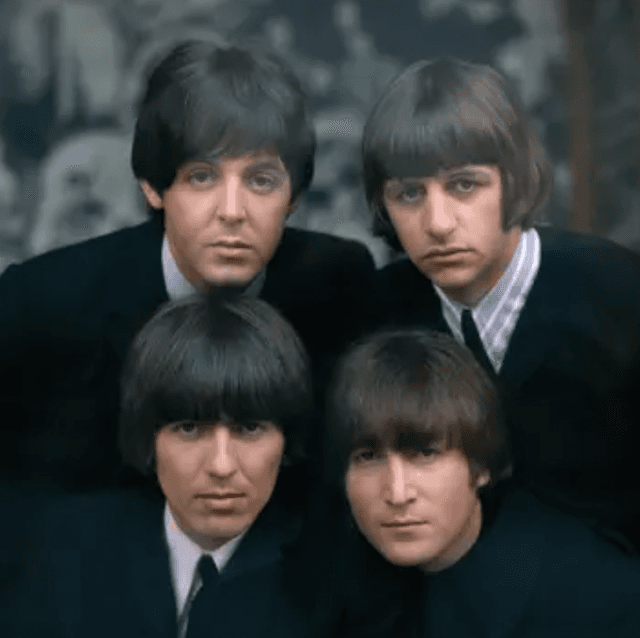
Pop love songs and optimism
Community and activism
Accessible melodies
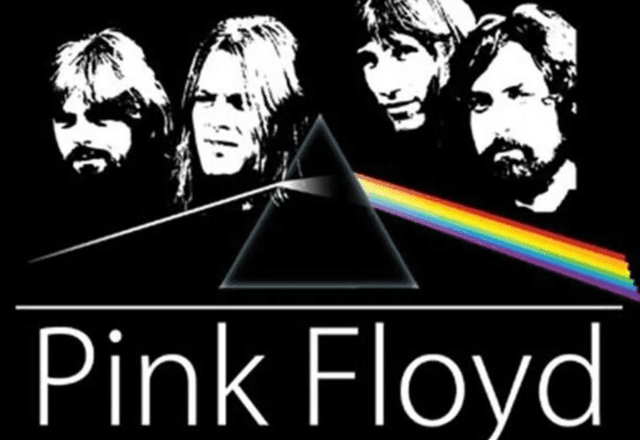
Introspective and brooding
Stadium spectacle and isolation
Philosophical and abstract themes
1980s vs 1990s
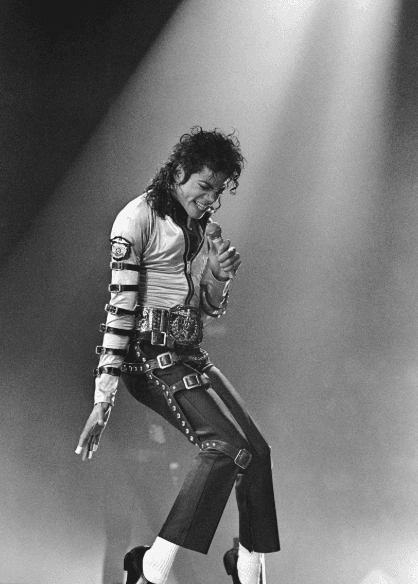
High-budget music videos
Dance and visual performance
Driving synths and bass lines
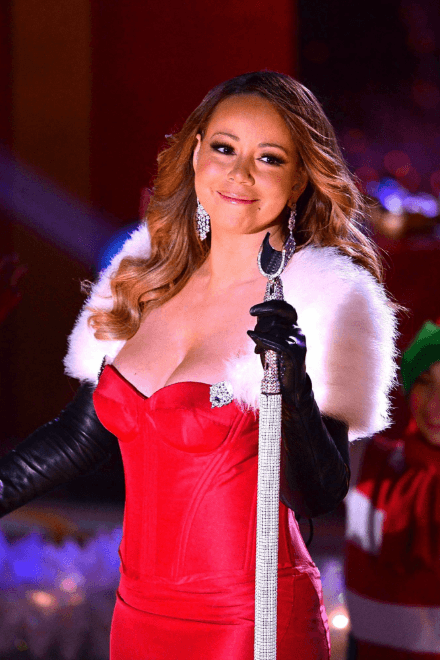
No dancing; vocal prowess and emotion
Ballads and R&B fusion
Personal storytelling
2000s vs 2010s

Raw confessionals
Rap dominance and aggression
Anti-pop rebellion
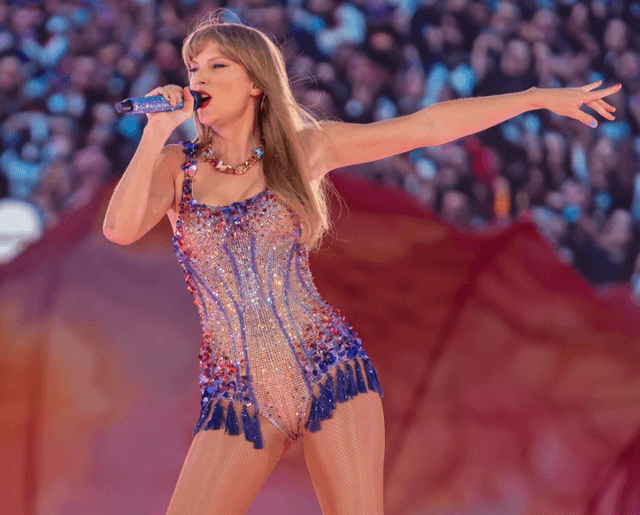
Storytelling with polish
Genre-crossing pop appeal
Calculated relatability
Musical Dominance by Decade
| Decade | Dominant Artist | Genre | Est. Sales | Key Characteristic |
|---|---|---|---|---|
| 1940s | Duke Ellington | Big Band Jazz | ~2M records | Orchestral complexity |
| 1950s | Elvis Presley | Rock & Roll | ~75M records | Raw emotional appeal |
| 1960s | The Beatles | Pop Rock | ~183M records | Accessible melodies |
| 1970s | Pink Floyd | Progressive Rock | ~75M records | Conceptual depth |
| 1980s | Michael Jackson | Pop/Dance | ~100M records | Visual spectacle |
| 1990s | Mariah Carey | R&B/Pop | ~200M records | Vocal virtuosity |
| 2000s | Eminem | Hip Hop | ~220M records | Raw confessional |
| 2010s | Taylor Swift | Pop/Country | ~200M records | Polished storytelling |
* Sales figures are estimates based on available industry data and may vary by source
The Pattern of Musical Evolution
Each musical decade represents a reaction to the previous era, creating a pendulum swing of artistic expression. This pattern reveals itself not just in sound, but in the very philosophy and presentation of music itself.
The Formal Era (1940s)
Big band orchestras dominated with complex arrangements and sophisticated harmonies. The focus was on collective musicianship and technical precision.
The Rebellion (1950s)
Rock and roll emerged as raw, emotional expression. Simple chord progressions replaced complex arrangements, and individual charisma trumped collective skill.
The Optimistic Collective (1960s)
Pop music became a vehicle for social change and unity. Accessible melodies carried messages of love, peace, and community activism.
The Introspective Turn (1970s)
Progressive rock and concept albums explored philosophical themes. Music became more abstract, introspective, and focused on individual artistic vision.