Note: Innovation and adoption is gradual; hardware structure is more important than specific dates.

Computer Platform Evolution

1950s β†’ 2020s

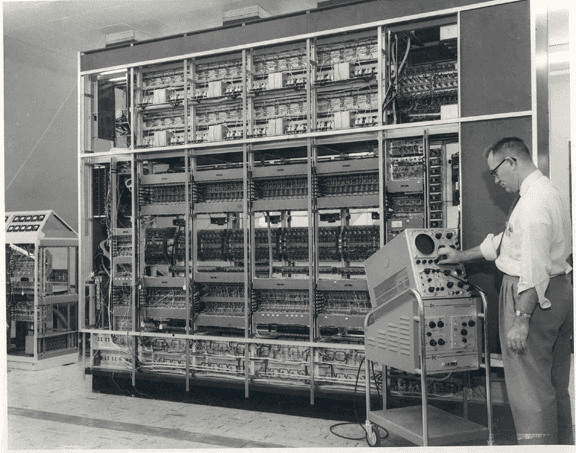
Mainframes

1950–1970+

Mainframes

Giant machines run by corporations, governments, and universities. Users had no ownership β€” they submitted jobs through terminals/punch cards.

Seed of reversal
Frustration at dependence on centralized resources β†’ desire for personal access.

Personal Computers

1970–1980+

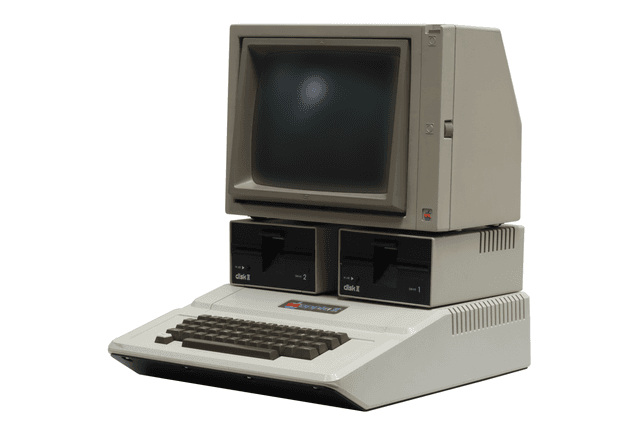
Personal Computers

First affordable computers for hobbyists and households. Apple II emphasized design, user-friendliness, creativity (games, graphics, education).

Opposite
Opposite of mainframes: From centralized β†’ personal. From institutional β†’ consumer.
Seed of reversal
Each machine was proprietary, closed, and incompatible. Users wanted standardization and interoperability.

The PC (IBM PC + Open Ecosystem)

1980–1990+
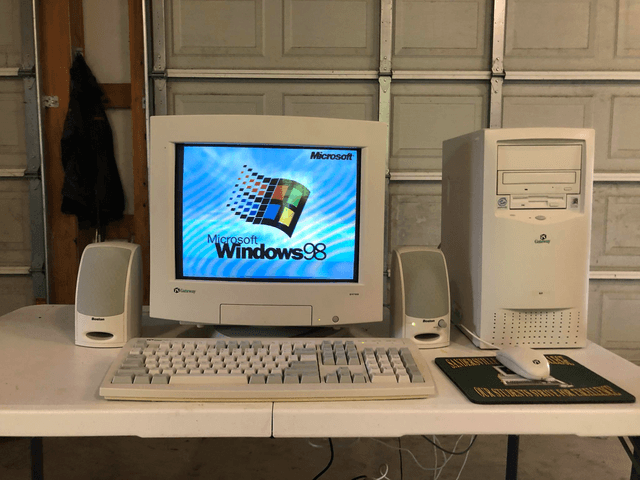
The PC (IBM PC + Open Ecosystem)

IBM PC launched with off-the-shelf parts, Microsoft DOS β†’ clone ecosystem explodes. The 'Wintel' era: standardized hardware + modular software.

Opposite
Opposite of Apple II / proprietary hobby PCs: From closed β†’ open. From artistry β†’ utility at scale.
Seed of reversal
Commodity PCs became heavy, desk-bound; users wanted mobility.

Laptops

1990–2000+

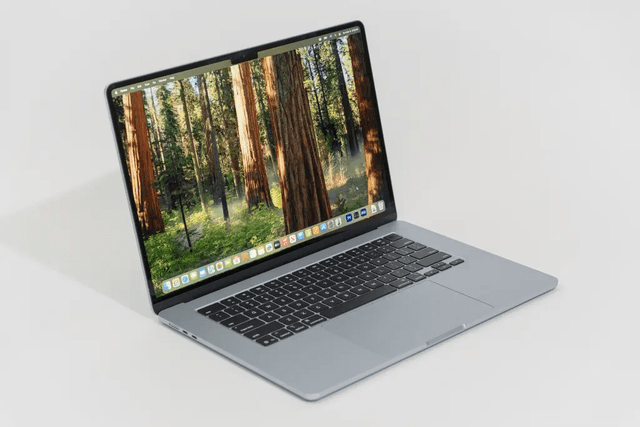
Laptops

IBM ThinkPad, Dell, MacBook β†’ computing you could carry anywhere. Dominant in business and education, enabled remote work.

Opposite
Opposite of PCs: From stationary desks β†’ mobile computing.
Seed of reversal
Laptops still keyboard/mouse centric; not great for casual, touch-first interaction.

Smartphones/Tablets

2010+

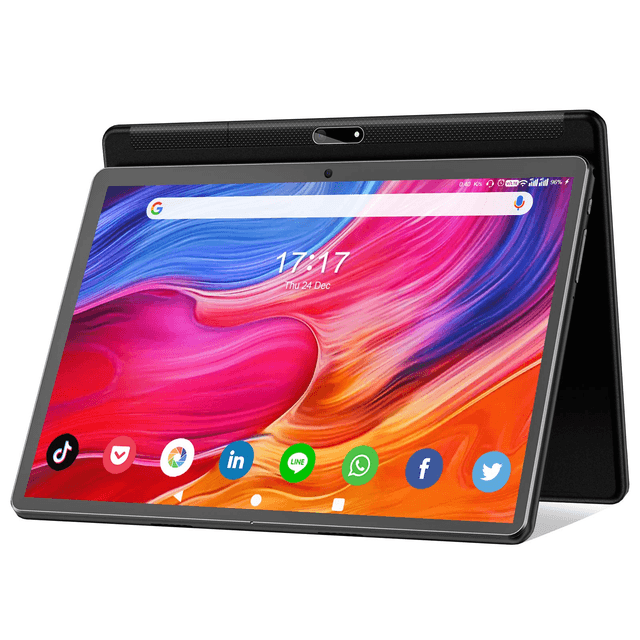
Smartphones/Tablets

iPad, Android tablets: computing with your fingers, intuitive, media-first. Perfect for reading, browsing, watching, drawing β€” less about 'work,' more about lifestyle.

Opposite
Opposite of laptops: From productivity-heavy β†’ leisure + simplicity. From clamshell keyboards β†’ touch glass.
Seed of reversal
Tablets struggle with deep productivity β†’ pendulum swings back toward hybrids (Surface, iPad Pro with keyboard).

← Scroll horizontally to see evolution β†’

Telephone Evolution

1950s β†’ 2020s

Rotary Landline Phones

1900–1950+

Rotary Landline Phones

Fixed, mechanical, shared household devices. Rotary dialing, operator assistance, family phone in the kitchen or hallway.

Seed of reversal
People wanted speed + personal privacy.

Touch-Tone & Cordless Phones

1960–1980+
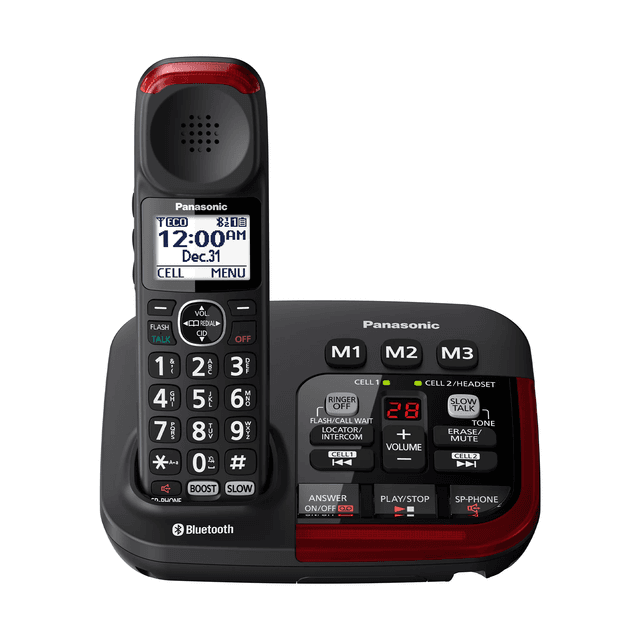
Touch-Tone & Cordless Phones

Faster dialing, mobility within the home. Push-button convenience, cordless freedom to walk around the house.

Opposite
Opposite of rotary: From slow mechanical β†’ instant push-button. From tethered β†’ walk-around cordless.
Seed of reversal
Still home-bound; users wanted true mobility outside.

Mobile 'Brick' Phones

1980–1990+

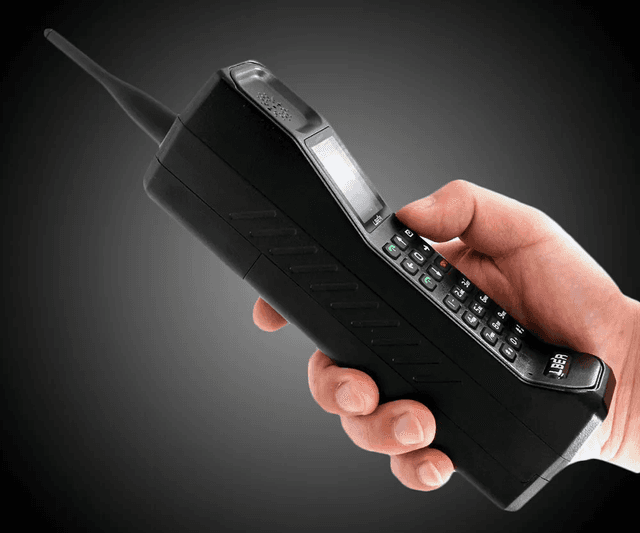
Mobile 'Brick' Phones

Portable, personal, status devices. Motorola DynaTAC β†’ huge, heavy, expensive business tools for executives and professionals.

Opposite
Opposite of home phones: From household/shared β†’ individual, mobile, business-oriented.
Seed of reversal
Huge, heavy, expensive β†’ demand for smaller, consumer-friendly designs.

Compact Cell Phones (Nokia Era)

1995–2000+
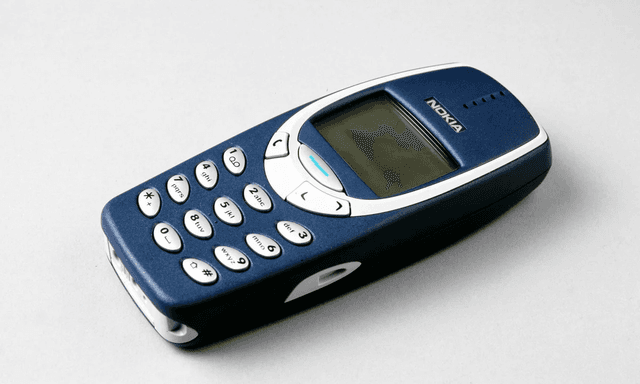
Compact Cell Phones (Nokia Era)

Practical, durable, mass-market. Nokia 3210/3310 β†’ everyday consumer adoption, SMS explosion, Snake game.

Opposite
Opposite of bricks: From bulky/elite β†’ compact/everywhere.
Seed of reversal
Functional but plain β†’ users wanted style & personality.

Stylish Flip Phones (Motorola Era)

2000–2005+
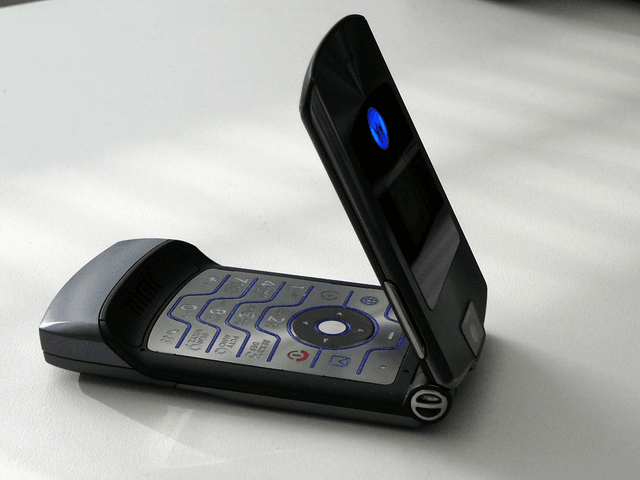
Stylish Flip Phones (Motorola Era)

Fashion + lifestyle. Motorola StarTAC, RAZR V3 β†’ slim, aspirational, status symbols. Form over function.

Opposite
Opposite of Nokia candybars: From utility β†’ style. From 'everyone has one' β†’ 'mine is special.'
Seed of reversal
Shallow features β†’ people started using email for communication.

BlackBerry & Enterprise Smartphones

2005–2010+
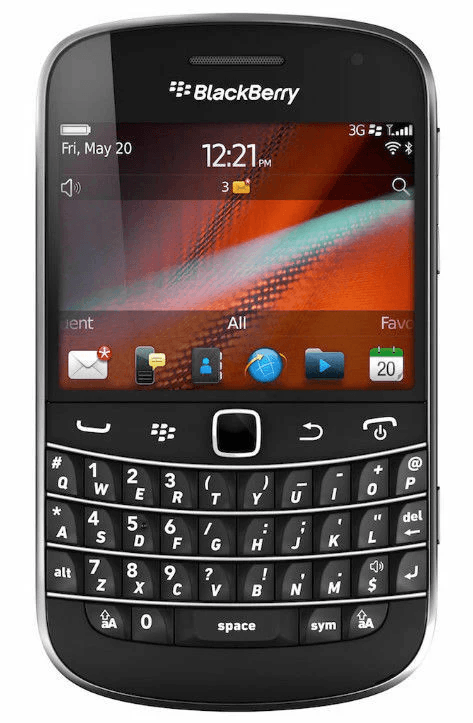
BlackBerry & Enterprise Smartphones

Productivity, closed ecosystem. BlackBerry Curve/Bold β†’ email, BBM, business dominance. QWERTY keyboards for serious work.

Opposite
Opposite of Motorola flips: From fashion β†’ serious work tools.
Seed of reversal
Great at email, terrible at media/apps β†’ potential for consumer-friendly smartphones.

iPhone & App Store Revolution

2010–2015+
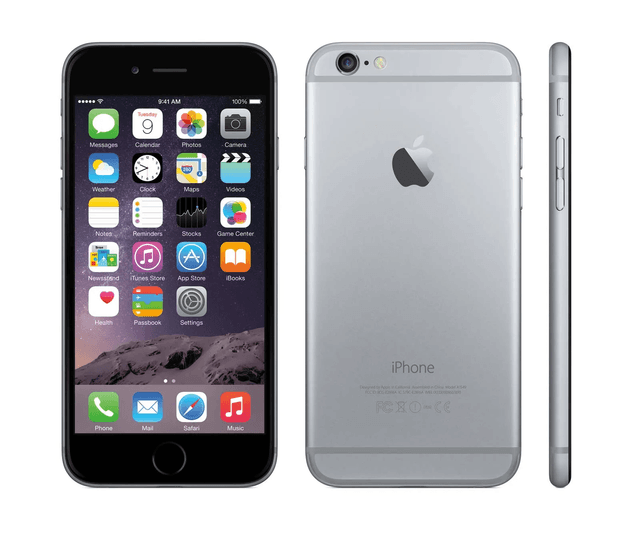
iPhone & App Store Revolution

Consumer-first, apps, touch simplicity. iPhone 3G/4, early Android β†’ multipurpose pocket computers with intuitive interfaces.

Opposite
Opposite of BlackBerry: From closed enterprise β†’ open app ecosystem. From keyboard β†’ touchscreen.
Seed of reversal
High prices and tightly controlled App Store fueled demand for customization, affordability, and variety β†’ opening the door for Android flagships.

Androids

2015–2020+

Androids

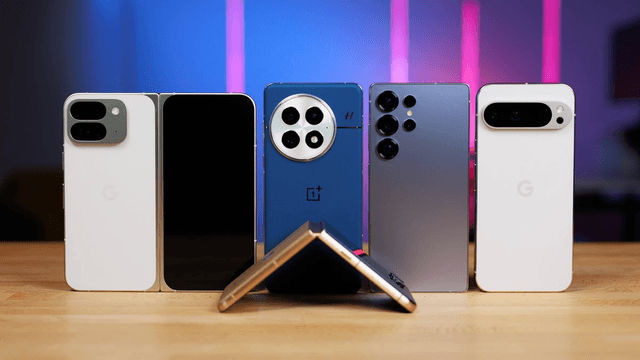
The rise of premium Android flagships. Galaxy S, Pixel, Huawei Mate β€” bezel-less, high-spec slabs with OLED displays and camera wars. Android offered openness and customization compared to Apple's closed ecosystem, but premium models converged into polished luxury designs.

Opposite
Opposite of the iPhone’s closed, expensive model: Android began as the open, customizable alternative. But by this era, the wild diversity of early Android gave way to standardized premium slabs.
Seed of reversal
Convergence led to sameness β€” innovation plateaued while prices rose. This fueled demand for fresh form factors like foldables and the push toward ambient, post-phone devices.

← Scroll horizontally to see evolution β†’

The Web Cycles

1990s β†’ present

Web 1.0

1990–2005+

Web 1.0

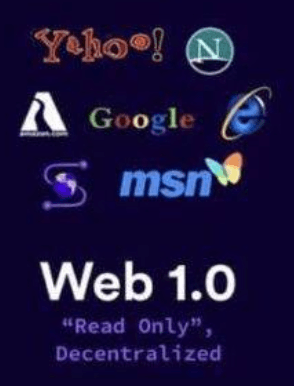
Static, top-down, read-only. Corporate websites, directories (Yahoo), portals (AOL). You consumed content, few could publish.

Seed of reversal
Too one-directional, passive, boring β†’ users wanted interaction, contribution, and community.

Web 2.0

2005–2015+

Web 2.0

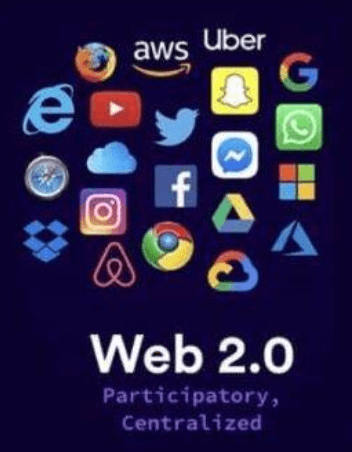
Interactive, user-generated, social. Blogs, Wikipedia, MySpace, Facebook, YouTube. 'Read-write' web: everyone could publish, share, comment.

Opposite
Opposite of Web 1.0: From static β†’ dynamic. From consumption β†’ participation.
Seed of reversal
Platforms became gatekeepers; user content was free labor monetized by ads. People wanted ownership, privacy, and sovereignty.

Web 3.0

2015–present

Web 3.0

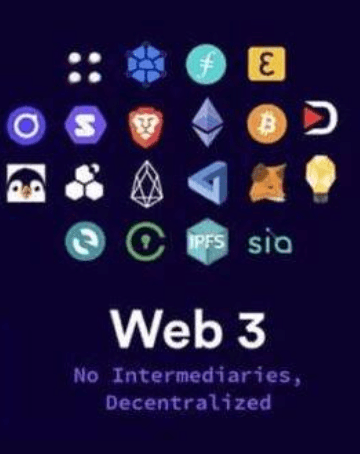
Decentralized, user-owned, trustless. Crypto, blockchains, NFTs, decentralized apps (Ethereum, DeFi, wallets). Identity, money, and content shift into self-custody.

Opposite
Opposite of Web 2.0: From centralized platforms monetizing users β†’ decentralized protocols giving ownership/control back to users.
Seed of reversal
Complexity, fragmentation, scams, poor UX β†’ average users struggle, and centralization pressures (regulation, scaling) creep back in.

← Scroll horizontally to see evolution β†’